

Designed an assessment tool for geriatric patients to monitor how they manage their medication and improve compliance.
The University of Maryland - School of Pharmacy
Medication Management Instrument for Deficiencies in the Elderly (MedMaIDE)
Pharma and Lifesciences Software
UX and UI design Information design Accessibility design Interactive mockups Usability testing
Individuals over 65, the top consumers of medications in the United States, face challenges with non-compliance and medication management complexities.
The University of Maryland - School of Pharmacy partnered with Twist Open UX to create MedMaIDE, a user-friendly web tool that assesses medication compliance with a deficiency score, aiming to improve management and adherence at home.
The goal was to ensure geriatric patients understood their prescriptions fully, including medication purpose, administration details, dosage frequency, potential side effects, and the procurement process. Responses were scored, with a set threshold. Healthcare providers used these scores to tailor interventions, aiming to improve medication adherence and enhance the health, well-being, and independence of elderly individuals.
Working with geriatric patients
The product was tailored for patients over 65, considering their familiarity with digital interfaces. Despite cognitive impairment, one third of older adults manage their own medications.
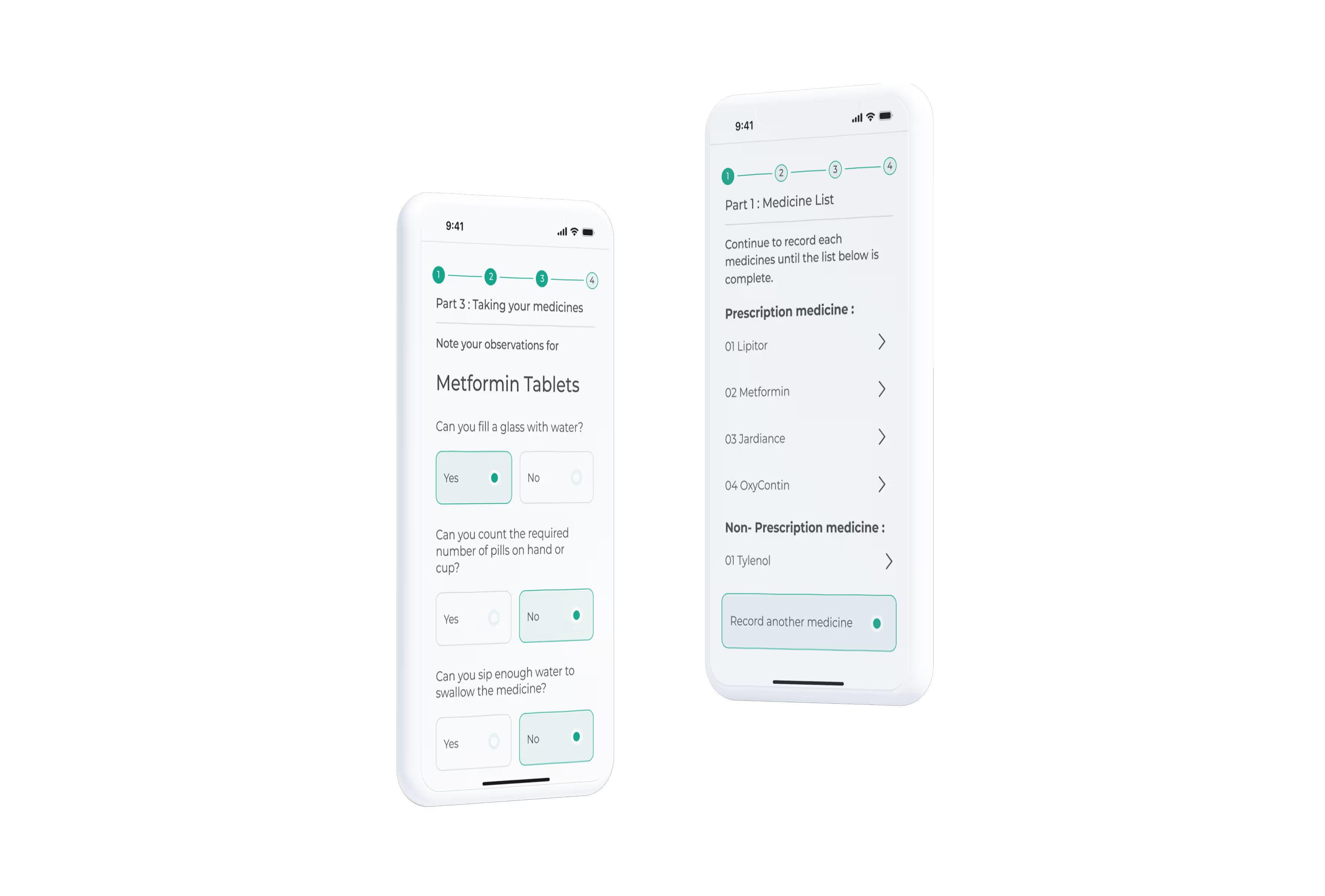
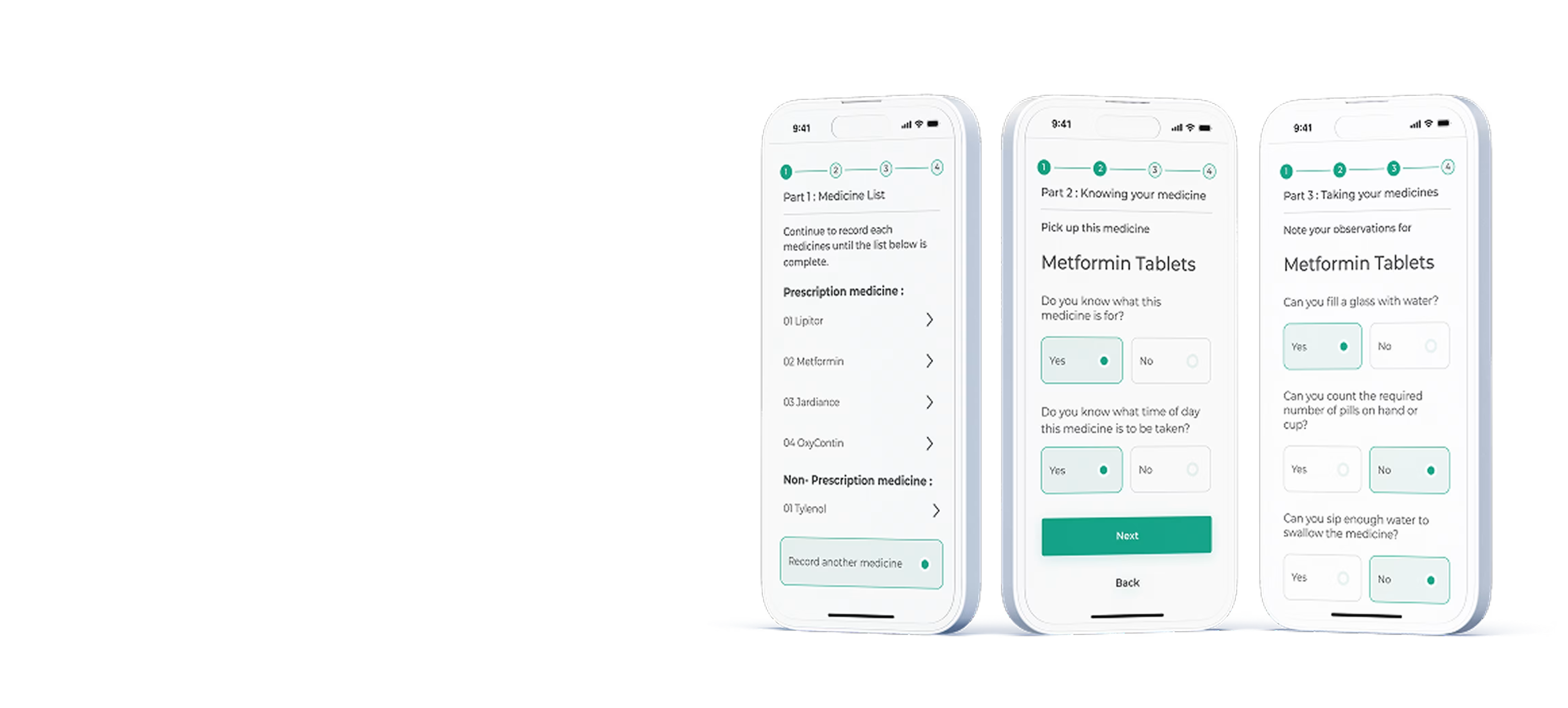
We meticulously recorded every detail about the medications, including the mode of administration and frequency, while also including questions to assess the ease of medication use, with corresponding scores assigned based on responses.
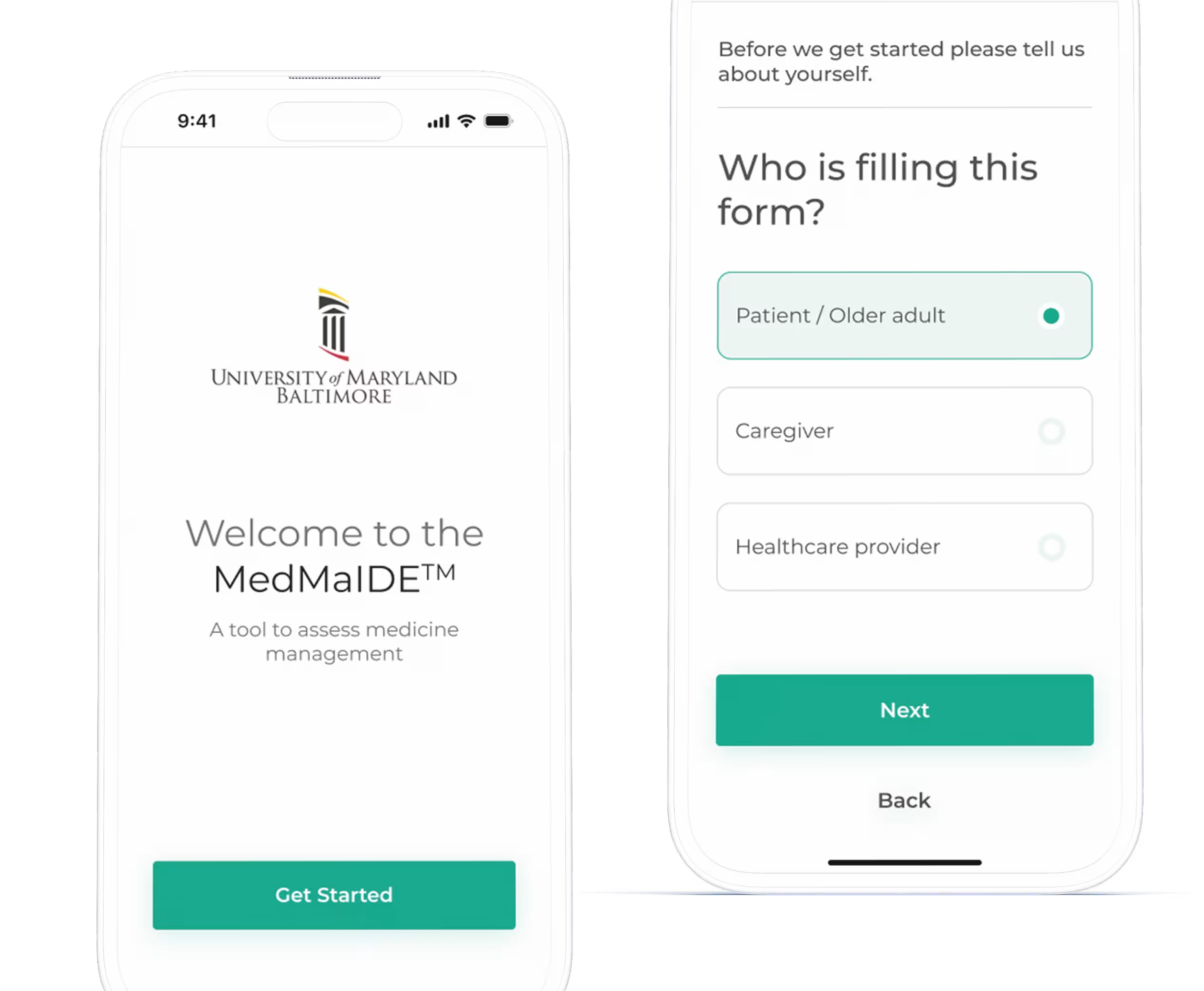
We simplified the language into lay terms so it could be used by people who were not health care professionals (e.g. family members), and changed the sequence of questions to reduce cognitive load and ensuring maximum compliance.
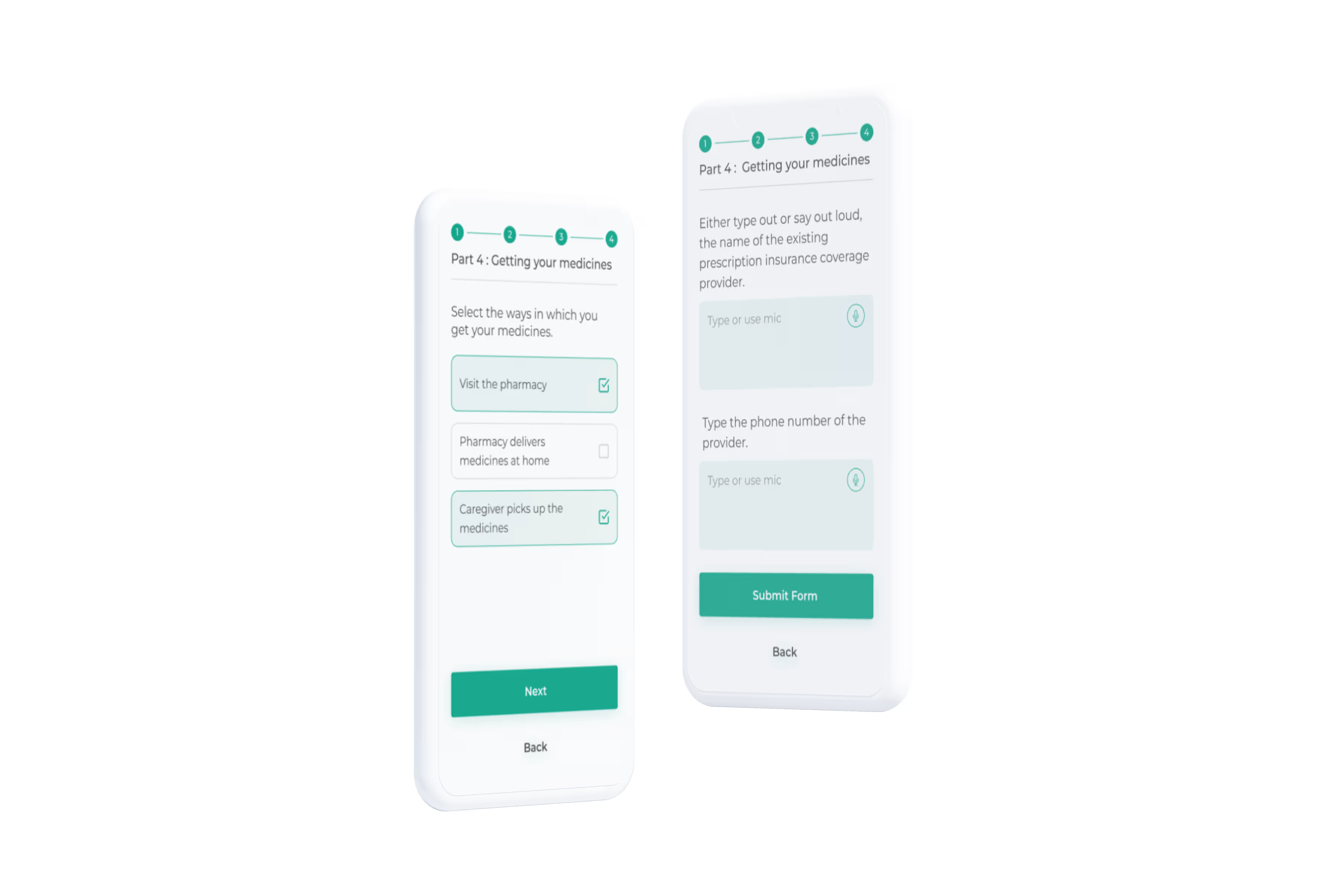
Our main goal was to create a user interface that was both simple and comprehensible, catering to elderly patients who might have trouble reading or using digital devices effectively due to their ailments. During the design process, we carefully considered these factors to ensure inclusiveness and usability.
We introduced alternative input formats such as voice notes, pictures or videos to make the communication richer and easier for patients who may have impaired hand eye coordination and fine motor control. We used enlarged typography and buttons with large target tap areas, making them easily accessible.
.webp)
.webp)
The outcome
The tool calculates deficiency scores for knowing, taking, and refilling medications. It helps healthcare practitioners plan tailored interventions and improve compliance. Converting MedMaIDE to a web-based tool enables timely interventions for elderly patients.
Partner with us to make your products impactful
Explore new possibilities with us
Designed software that bio-simulates FDA-approved cancer drugs on an AI driven model.